In November 2022 and over the spring of 2023, the School of SweetGeorgia introduced a series of courses taught by Rachel Smith of Wool n’ Spinning, all about spinning luxury fibres. This three-part series starts with silk, moves to camelids, and ends with goats & rare fibres. I have been waiting for the right time to dive into these courses and start a study on these fibres. And now it is that time!
While patiently waiting, I have accumulated a modest stash of fibres for sampling. I started with purchasing the kits curated for the courses by SweetGeorgia Yarns. During my visit to Vancouver last year, a stop at Sanjo Silk added to my already-filled assortment of silk fibres (along with a little angora), a local studio sale and local fibre events like the Manitoba Fibre Festival also added to the various fibres acquired along the way from alpaca to mohair. Suffice it to say, I have an abundance of materials to immerse myself in this study.
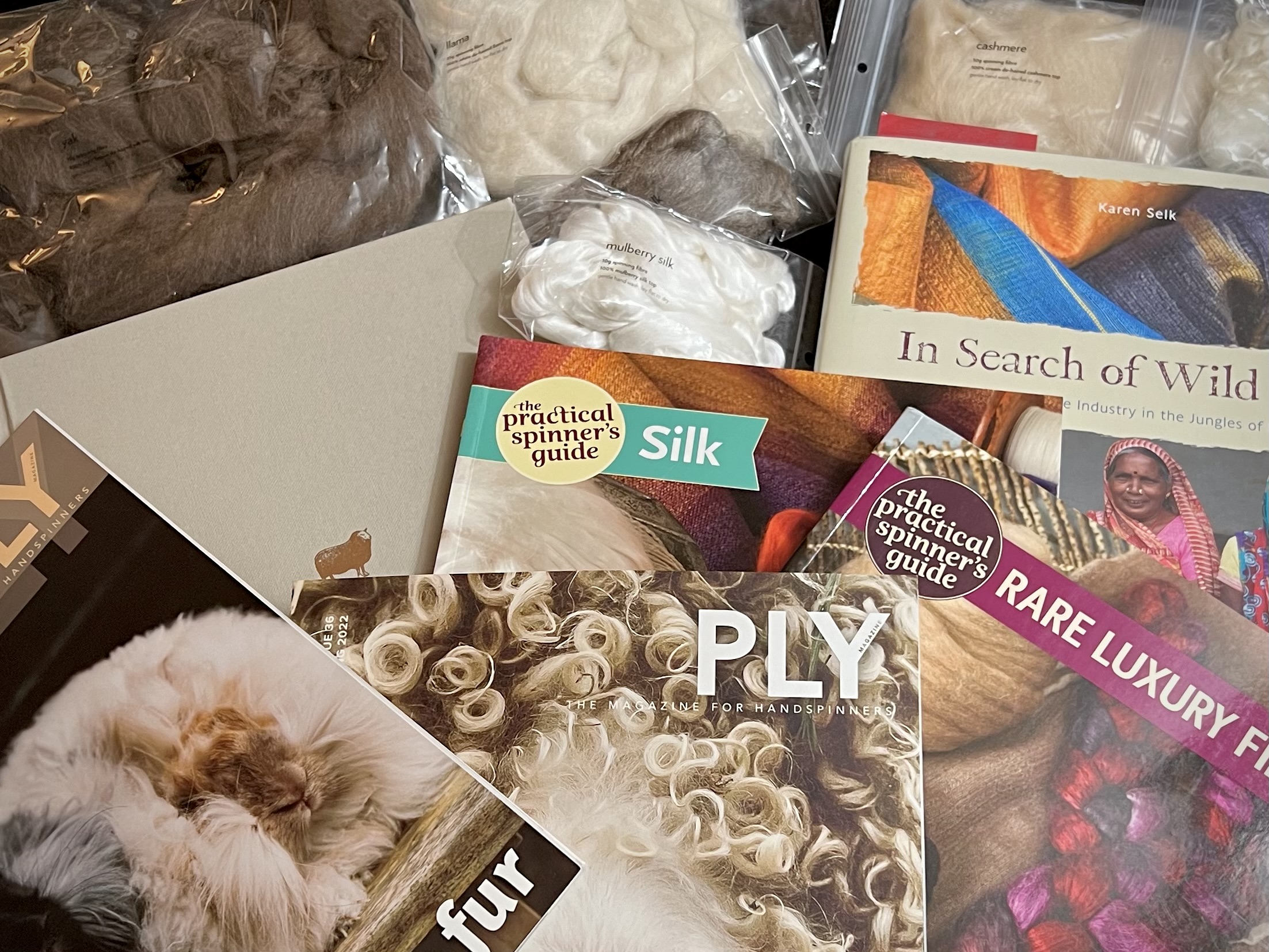
Beyond the fibres, my exploration extends to an amazing selection of books, both physical and digital, along with insightful articles and valuable websites that I can not wait to share. I will add the resources as they become relevant in each fibre topic and will make a large resource list at the end of each study which I suspect will take me months to explore each one. I am so excited!
Luxury Fibres
Here are the links to the luxury fibre topics, each with its own post. I am compiling notes on how I am recording my samples, preparing my fibre blends and other helpful tips I find along the way that will span over the entire study, regardless of which fibre I am using. These can be found a little further down this page. Did I mention I am using six different sheep breeds for blending with my luxury fibres? Scroll down to learn more!
Spinning Silk
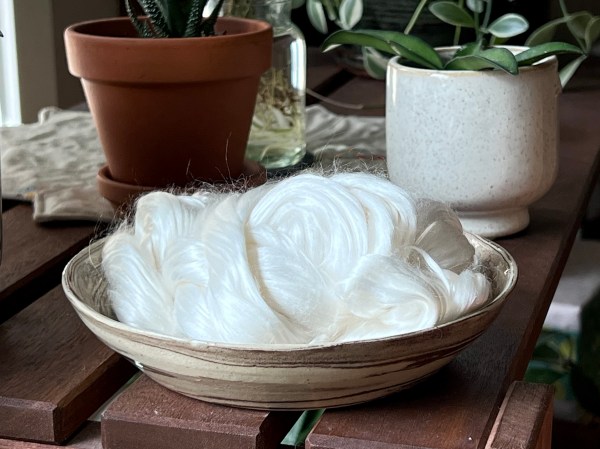
I start my luxury fibre spinning study with silk! Join me as I spin Bombyx, Tussah, Muga, Peduncle and Eri silk and create blends with various types of wool.
Spinning Camelids
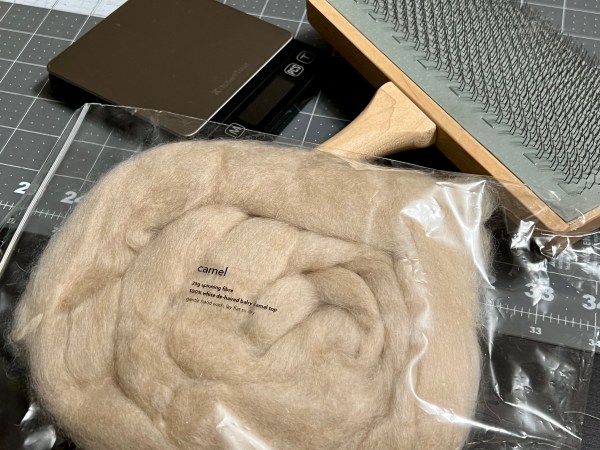
Camel, Alpaca & Llama.
Coming soon!
Spinning Goats
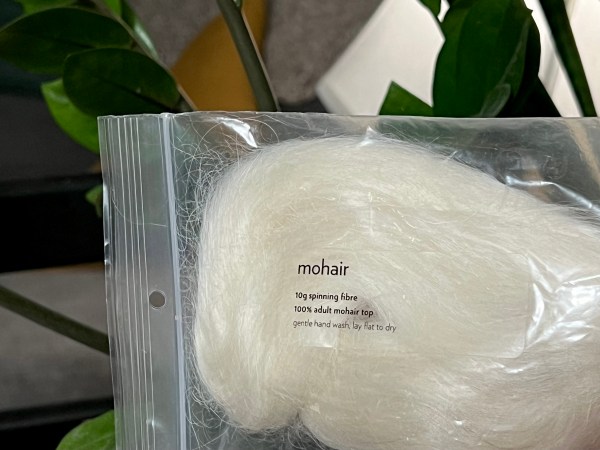
Mohair, Cashmere & Pygora. Coming soon!
Spinning Rare Fibres
Angora and Yak.
Coming soon!
Sampling with Multiple Sheep Breeds
When I started to spin my first silk, my thoughts started to wander (as they usually do), and it was about how Rachel Smith recommends spinning merino/silk blends in her course. Merino blends are everywhere on the market. Why? Well, silk brings in strength and sheen, filling in those gaps that Merino lacks. The softness of Merino complements the silk, and Merino adds elasticity and ease to the silk spinning process. Merino is warmer than silk, and silk tempers the warmth of a 100% wool item. There’s more to it, but those are the key points.
But I continued to think, why limit this study to just Merino? I’ve noticed Polwarth and BFL silk blends, but not much beyond that. Why is that? True, a long wool like Lincoln may not need silk’s lustre or strength, but wouldn’t that blend turn it into a powerhouse of both characteristics? Could silk add softness to coarser wools, transforming rug yarns into something as soft as outerwear yarn or even next-to-skin? Maybe it can add sheen to the matte look of down wools? So many questions and only one answer… Sample!
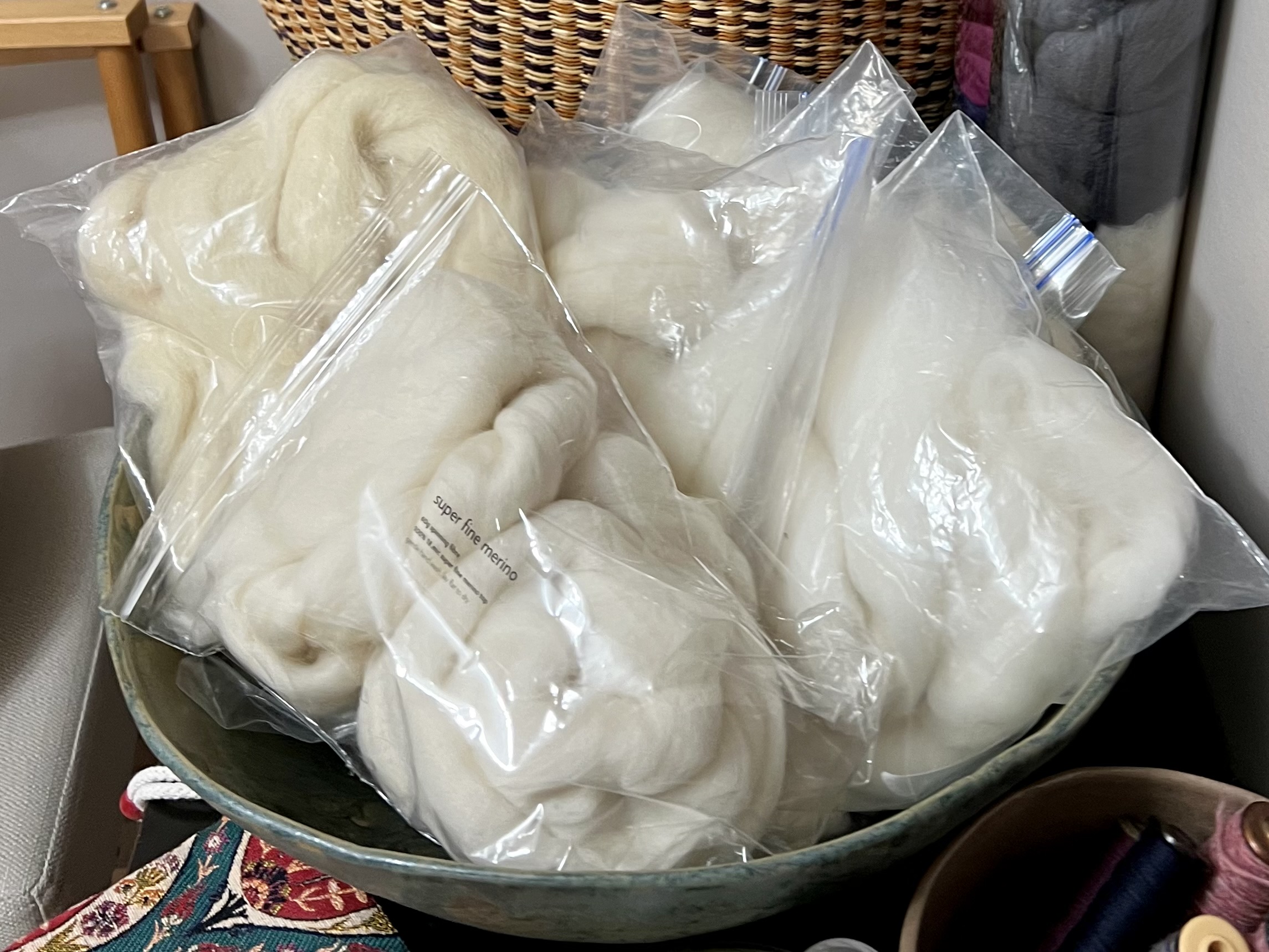
I decided to expand my sampling process with a few extra wools, sticking to my stash and choosing something from each wool category.
- Superfine: Standard merino is around 22 microns. I will be working with an 18-micron count merino which qualifies as super fine. (Ultra-fine is anything under 15 microns, crazy!)
- Fine: For fine wool, I went with Polwarth. It’s a standard I often see on the market that is blended with silk and seemed like a solid choice.
- Medium: Not everyone agrees with the “medium category”. Some would say these breeds fall into other categories but I stand on the side of medium wools. For my medium wool, I choose Corriedale.
- Long: Initially, I wanted to use Lincoln or Wensleydale as my example above, but while stash-diving, I found some Romney. I purchased a raw Romney fleece last year and only just started to work with it; It is easily one of the most beautiful and lustrous wools I have ever worked with. So when I came across this lifeless commercial Romney in my stash, I was shocked by how dull it is. I decided to use this to see if luxury fibre blending could bring this wool back to life.
- Primitive/Dual Coat: I opted for Shetland, mainly because I haven’t spun much in this category of wool. I wanted to avoid dealing with dual coats/guard hairs in this study and Shetland is what I had on hand. I have spun it many times and know what to expect from a commercial Shetland combed-top wool.
- Down: Cheviot, hands down! I love Cheviot. The puffy crimp, the good staple length and an excellent example of a down wool.
Three of these wools come from The Fiber Imp, the Romney is from the Stash Lounge, the Polwarth is from Nicole C. Mendez (no longer carries fibre but still sells yarn) and the Merino is from SweetGeorgia Yarns.
How I Make My Spinning Samples
My first step was to spin a sample for each breed, something I could use for comparison. I started by spinning all singles at around 45wpi; mainly because my spinning has been focused on creating finer yarns for weaving. I initially made two- and three-ply plyback samples but stopped since most weaving yarns don’t need to be three-plies. These samples are only to provide a visual glimpse of how the yarns will react when blended with my luxury fibres. If I were spinning for a project, I’d create entirely new samples and not rely on these samples. The only thing I really need to see from these samples are the before and after wet finishing. This will give me a general idea of what a luxury blend could accomplish. The top sample is straight from the bobbin and the bottom sample is after wet finishing.
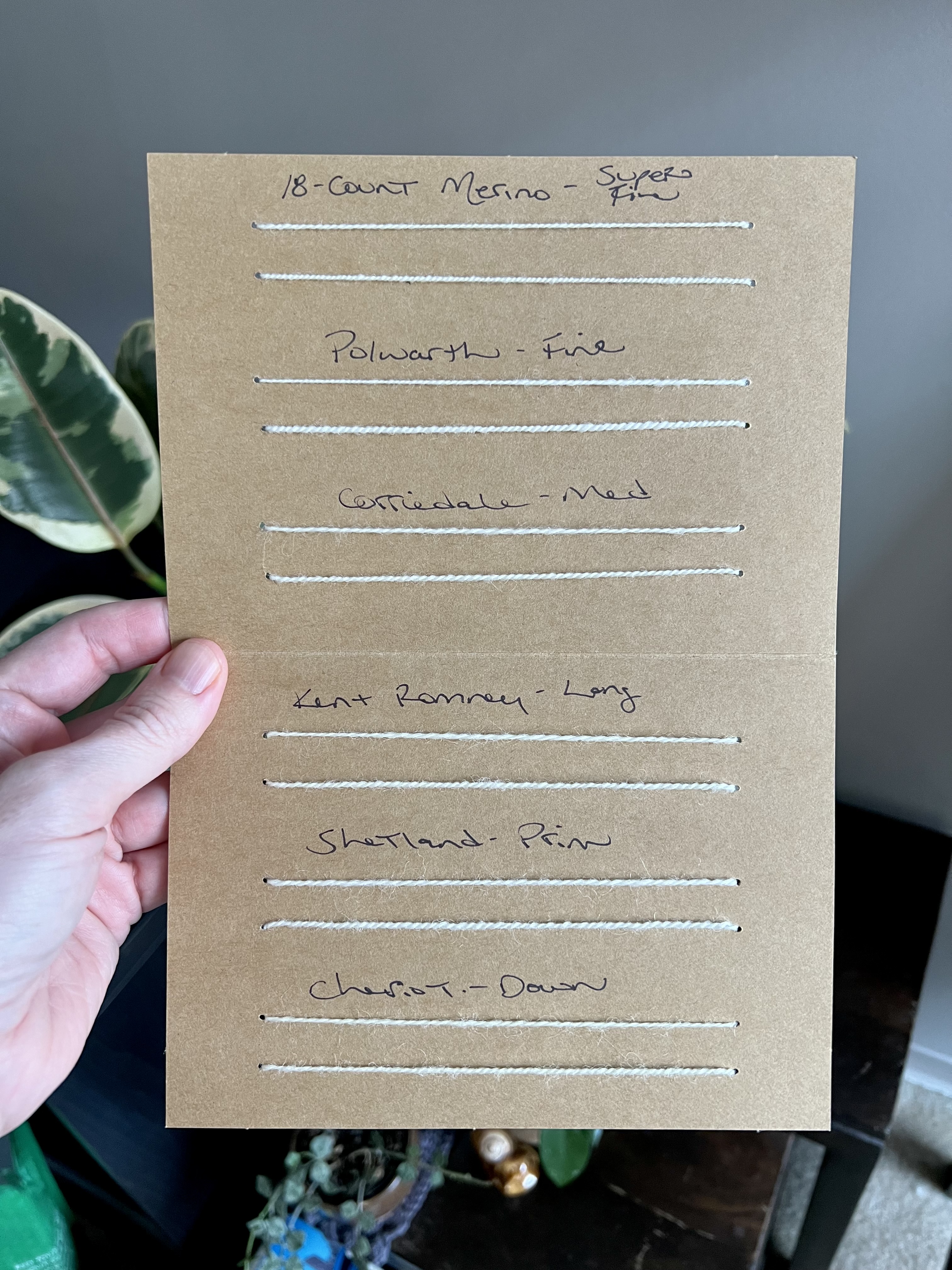
One note for these samples: for my initial breed samples and the first batch of silk samples (Bombyx), I was making both a plyback sample and a larger 4-5g sample mini skein. When comparing my plyback sample to my 5g samples before wet finishing, I noticed they don’t quite look the same.
Sometimes while “autopilot spinning”, I become relaxed and slight variations in what I do while spinning can subtly change the end yarn; the singles may become a bit thinner or thicker, my draw or drafting style can slightly alter, or I may just shift the way I handle the fibre in my supply hand, all of which can impact the final yarn. Kim Mckenna’s course, Spin-In Clinic at the School of SweetGeorgia, emphasizes this point well; tiny changes in spinning can lead to significant differences in the end yarn. While these nuances might not be crucial for this particular study, if I were working on a larger project, I’d pay closer attention to each detail and be more deliberate in my spinning habits.
For this study going forward, I’ve decided to switch to taking a small sample from the 5g mini-skein and attaching it to my sample cards instead of a plyback sample. This method proves to be more accurate, especially when it comes to plying. If I have time, I will do the first silk and the 100% wool sample cards again for a more accurate record-keeping of these studies. I also want to note that I still create plyback samples while spinning, even if I don’t remove them from the bobbin. Plyback samples are a good habit to get into while spinning to ensure consistency, as well as a control card when spinning bigger projects.
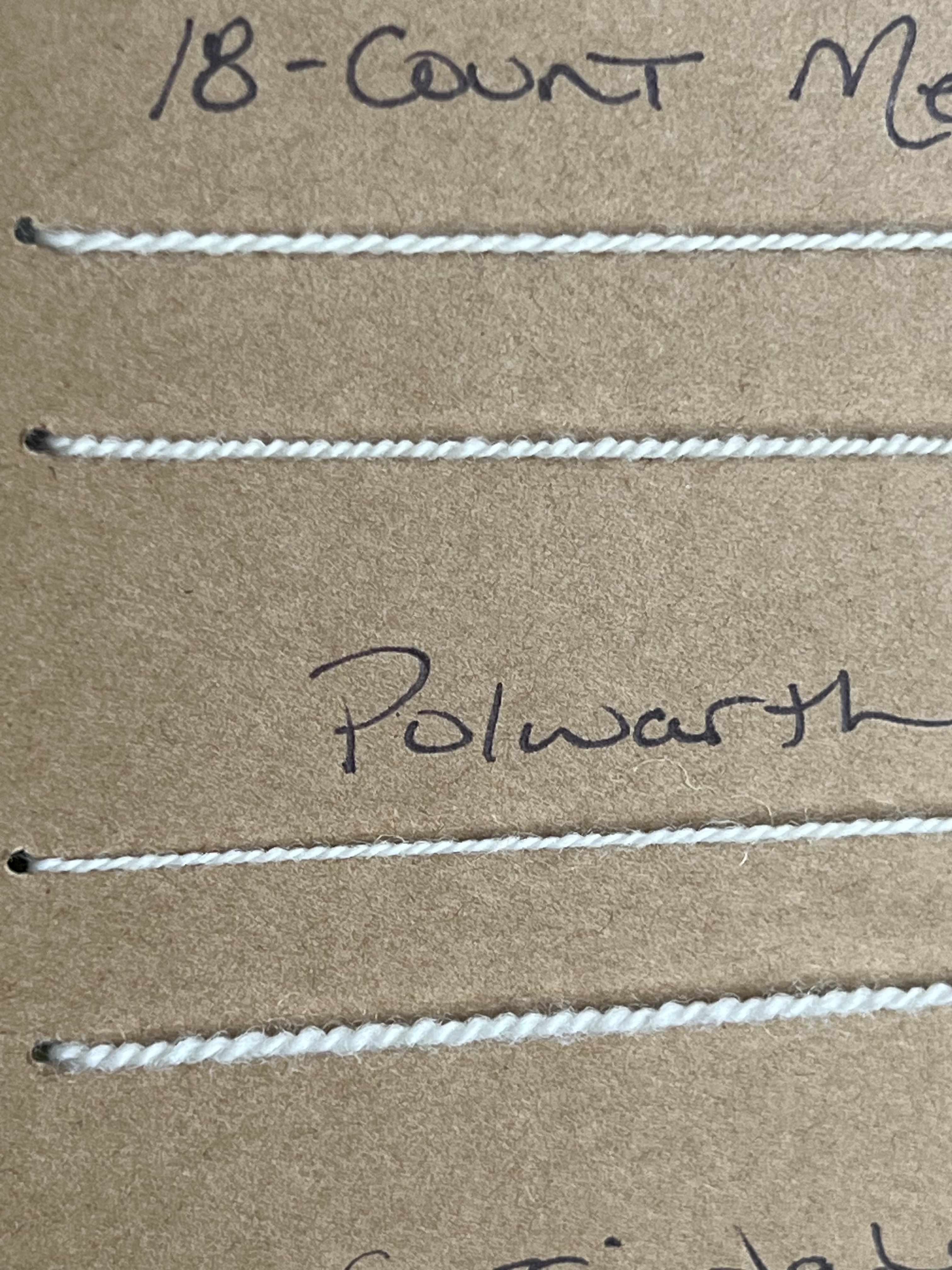
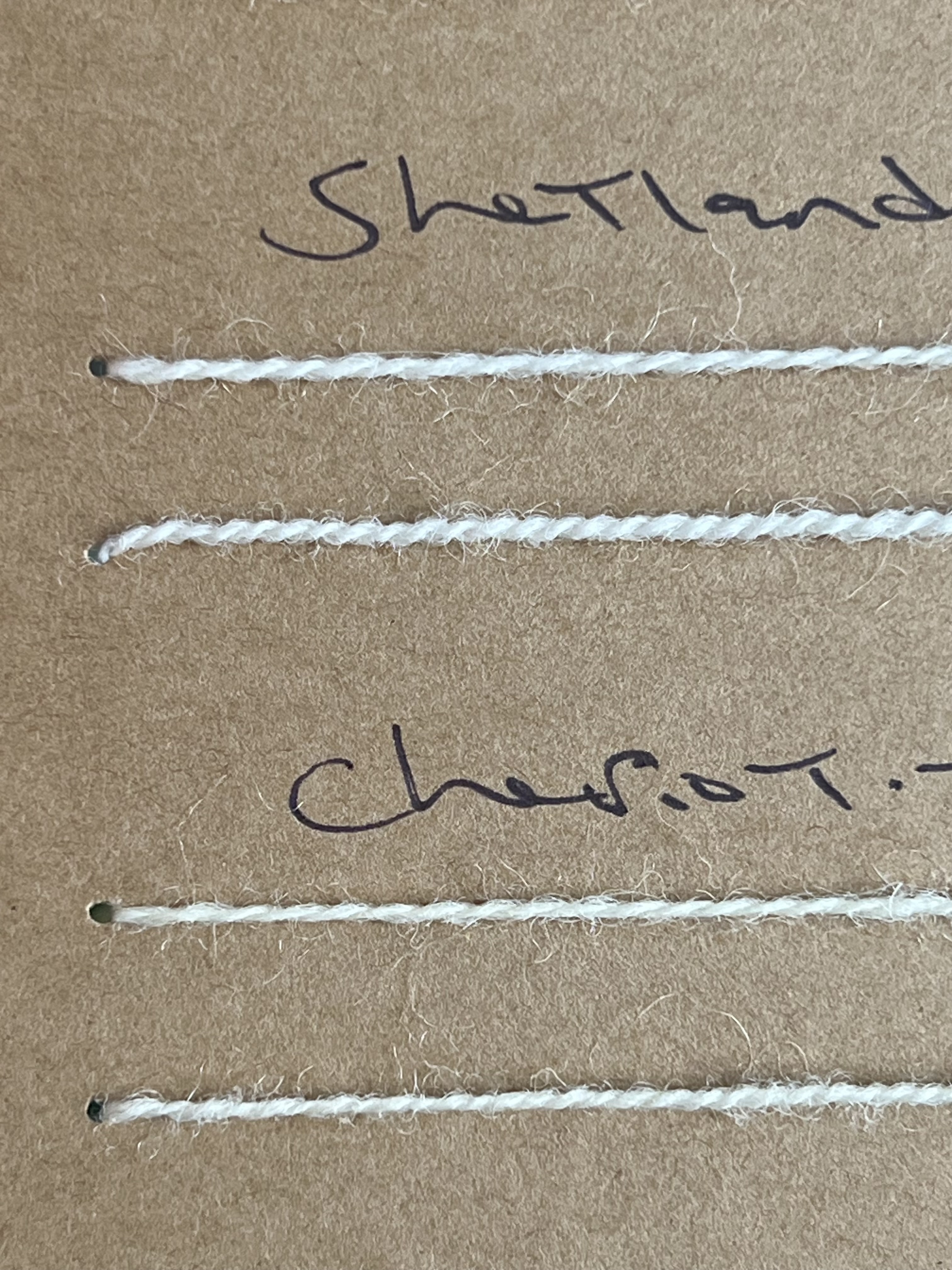
I won’t delve too much into the details of spinning each breed, but I must say, it’s been a while since I spun Merino, and I forgot how buttery-smooth the spin can be. I’ve been working with medium and long wools a lot lately, so spinning something so soft with a lot of twist was refreshing! Looking at all my plyback samples, there’s very little difference, but subtly, the yarn range starts from a high-twist, well-defined yarn to a low-twist, fuzzier yarn.
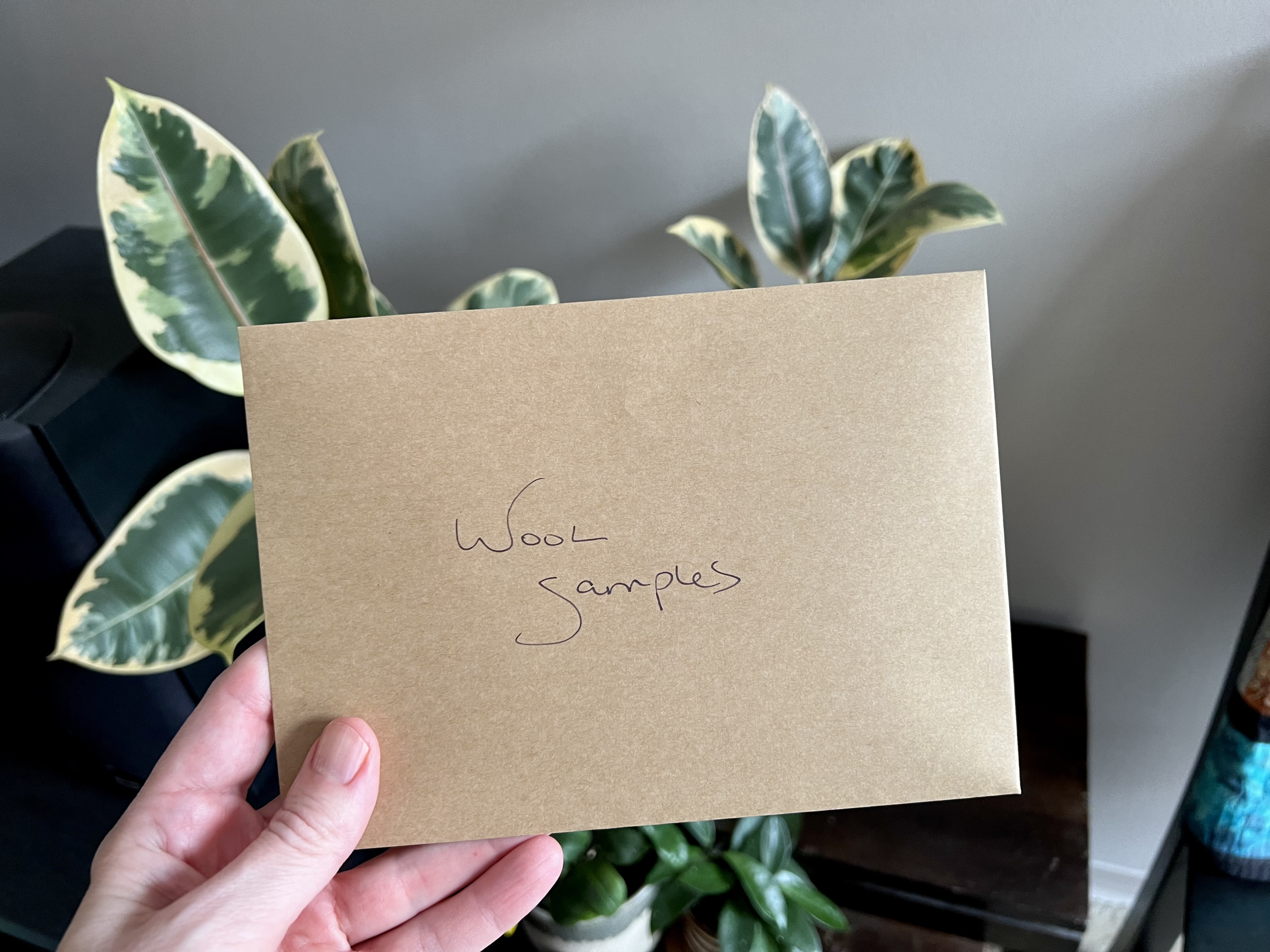
I’ve chosen these 5×7-inch Kraft cards for my sampling process. They make adding a sample on one side simple and folding the card into an envelope for compact storage. While I haven’t decided on my storage method for the 4-5g samples, I’ve tagged them for easy organization when the time comes. I also have recorded the wraps per inch (WPI), elasticity, blend percent, *grist/ypp, along with yardage, weight in grams and spinning year on each mini skein tag and the back of each kraft card.
*Grist is: yardage divided by weight in grams then multiplied by 454g (1lb) = yards per pound (ypp).
How I Make My Fibre Blends
Initially, I followed Rachel’s example by combing onto a hand carder and pulling it off with my finger. Since I was aiming for a specific luxury fibre-to-wool ratio with a 4-5g sample size, that method proved to be difficult for that amount of fibre.
Still using my hand carders for my first sample with Merino, I made three passes; from one hand card to the next for an even blend. Following Kim Mckenna’s method, I dizzed it off the hand carder. The blend turned out nice, but a bit too woollen for my liking for these samples.
For my next attempt, I opted for wool combs, known for their worsted prep style. However, blending Polwarth with wool combs resulted in significant waste, which didn’t justify the loss given the small sample size.
My third try involved a blending board with Corriedale fibre. After blending, I would lift it off and comb it through again. Although successful, I noticed quite a few neps, possibly from the comb pushing the fibres down. I am not quite sure as I’m still new to fibre prep. My small amount of experience says this would be common on short-fibre wool but not Corriedale. This is worth exploring but on a different day and a different post.
So, here’s what worked best for me: I settled on a 75% wool to 25% luxury fibre ratio. I start by combing the fibres by hand onto the hand combs while layering the different fibre types. I lift the mini batt off the hand carders then gently comb it again; repeating this step twice more for thorough blending. Then, I carefully remove it in strips using a diz.
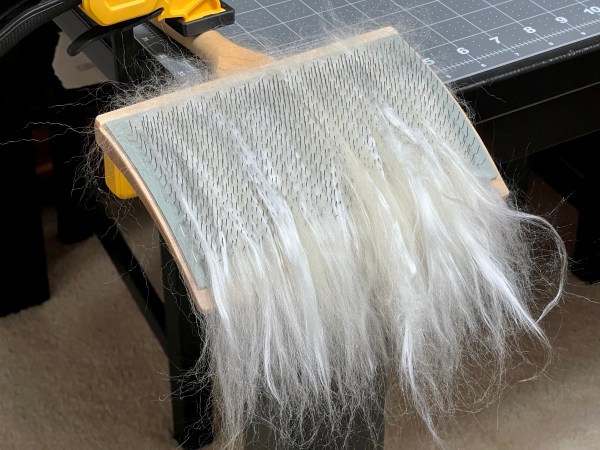
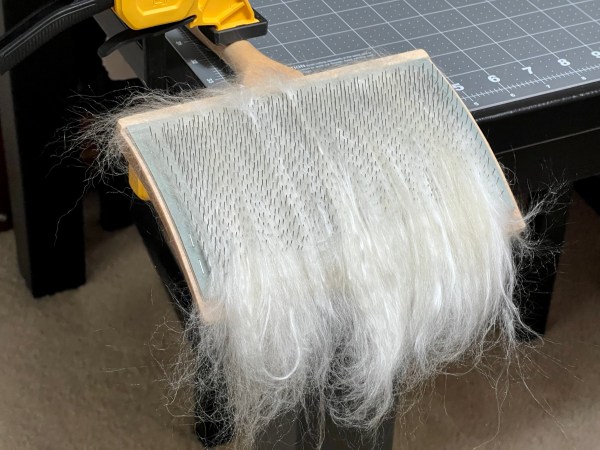
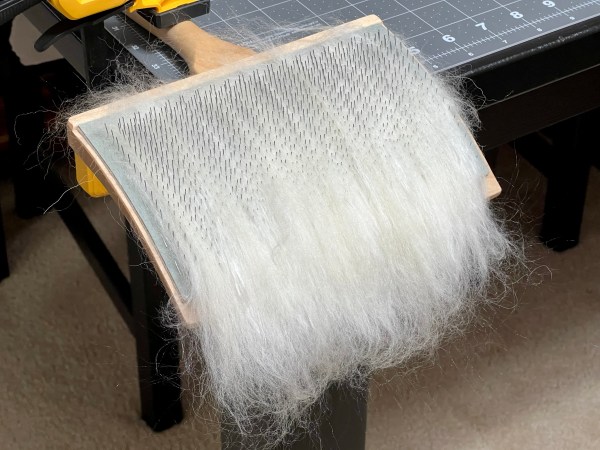
As shown in the photos, with each pass, the blend becomes smoother and more uniform. By the third pass, the wool and silk blend seamlessly, with aligned ends.
Tips, Tricks and Thoughts
As I spin through these fibres, I will continue to add to this page, if it pertains to all the luxury fibre categories. But for now, onward to spinning Silk!
 Exploring Slowcrafts